
MicroARN Offers a New Path to Slowing Pancreatic Cancer Growth
Researchers at Texas A&M University found that increasing miR-15a and miR-16 in laboratory cultures reduced protein synthesis and slowed the multiplication of pancreatic tumor cells. The results suggest a possible therapeutic avenue, but there is still no clinical application.
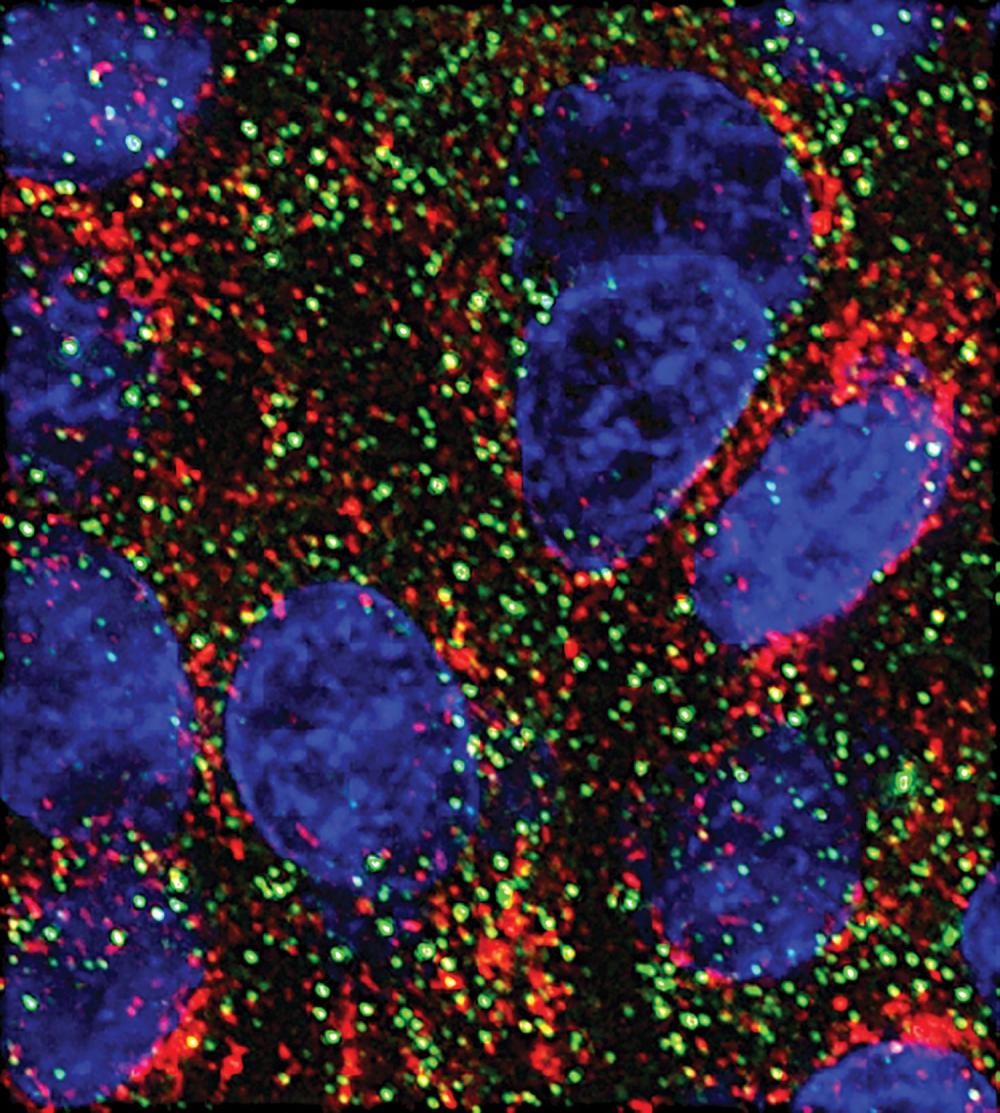
When I first read about this study, I went back to a patient I remember from the emergency room, someone whose case captured how difficult pancreatic cancer can be. We cannot talk about a laboratory finding as if it were a treatment already within reach, and we cannot overlook the fact that this work was done in cell cultures. Still, the researchers from Texas A&M University have identified two natural molecules that, in that experimental setting, managed to put the brakes on the growth of pancreatic cancer cells. The work was published in the journal Physiological Reports, and it focuses on microRNAs, small fragments of genetic material already present in the body.
The team, from the College of Veterinary Medicine and Biomedical Sciences, studied miR-15a and miR-16 in cultures of pancreatic ductal adenocarcinoma cells. To understand what happened, it helps to think of microRNAs as small switches inside the machinery of a cell. They do not build proteins directly, but they can block the genetic messages responsible for producing them. In laboratory conditions, the researchers artificially increased the levels of both molecules and observed two effects: protein synthesis fell, and the cells multiplied more slowly. Both are central processes in tumor growth.
Why the finding matters in a disease with a poor prognosis
Pancreatic cancer is among the tumors with the worst outlooks. According to the International Agency for Research on Cancer, it was the sixth leading cause of cancer death worldwide in 2024, with more than 490,000 deaths, even though it ranked only twelfth in the number of new cancer diagnoses. That gap reflects, in part, late detection and resistance to several treatments. In this context, any avenue that could slow tumor growth attracts attention, especially one based on molecules the body already produces naturally.
“Cancerous cells proliferate continuously. To do so, they need to increase processes such as protein synthesis. If that synthesis is interrupted, the growth rate of those cells can be slowed.”James Fluckey, vicedecano de Investigación y profesor del Departamento de Kinesiología y Gestión Deportiva
The researchers also found that miR-15a and miR-16 appear in lower amounts in pancreatic tumors than in healthy tissue, and that a similar pattern occurs in samples from patients with pancreatitis. When they combined this information with public clinical records, they observed that a greater presence of these microRNAs in the tumor was associated with better survival. It is worth stressing what that means: the study establishes a statistical association, not proof that increasing these molecules will improve outcomes in people.
- The experiments were conducted in cell cultures, not in patients.
- The researchers did not administer the microRNAs to humans.
- No safety assessment or dosage determination was performed.
- The results support a hypothesis for future therapies, but no clinical application is currently available.
Peter Nghiem, associate professor in the Department of Veterinary Biosciences, compared the function of these microRNAs to the brakes of a car: their role is to restrain processes that, left unchecked, can contribute to uncontrolled cell growth. That comparison also helps grasp the logic of the study. If the brakes work less often or less effectively, the cell may accelerate. The observation that both microRNAs were present at lower levels in tumor tissue suggests that the tumor may be operating with fewer of these natural restraints, although the research does not settle the question of cause and effect.
I return to the patient I mentioned at the beginning, because that is where I see the real distance between a promising laboratory result and the hospital ward. No one can yet prescribe miR-15a or miR-16, there is no established dose, and their safety in humans remains unevaluated in this work. The study does not offer a solution for pancreatic cancer; it offers a line of investigation and a clearer idea of which molecular mechanisms might deserve attention in the years to come. For now, that distinction is not a minor semantic detail: it is the line separating a scientific hypothesis from a treatment, and it is the line we must not cross in reporting what this finding means.
Comentarios
0Todavía no hay comentarios. Sé el primero.
Seguí leyendo